

This auto sector is on the verge of a revolutionary era. As a result of progress in technology and shifts in consumer preferences, the environment of automobile production and design is evolving at an extraordinary pace. Including electric vehicles to cutting-edge vehicle technologies, the transformations in the auto industry are redefining how we consider about mobility. As we look towards tomorrow, it is crucial to understand the key trends and trends that are propelling these changes.
Lately, the spotlight has been on electric car news as producers hustle to create more sustainable and effective vehicles. This trend is not just restricted to cars; the motorcycle updates is buzzing with electric motorcycles increasingly popularity among riders. The expansion of the campervan and vehicle markets shows a transition towards increasingly flexible and exploration-friendly vehicles, catering to a way of life that embraces adventure and independence. By exploring into the latest automotive updates, we can discover the innovations and new car evaluations that highlight the future of transportation in our constantly changing world.
EVs Transformation
The landscape of the vehicle market is undergoing a substantial change as EVs gain momentum. With a rising priority on sustainability and cutting carbon emissions, automakers are more turning towards electric options. Major vehicle producers are investing heavily in EV technology, leading to an wave of new electric models designed to cater to a broad range of drivers. This change is not only a response to changing regulations but also an indication of shifting consumer preferences.
As advancements in battery technology continue to boost driving distance and charging efficiency, electric vehicles are becoming more practical than ever. The expansion of faster charging stations and enhancing infrastructure is alleviating concerns about driving range fears, making it easier for consumers to transition from traditional combustion engines to electric alternatives. In also, increasing fuel prices and environmental awareness are motivating more drivers to consider the advantages of having an electric vehicle.
The struggle among automotive manufacturers is leading to a surge in advancements within the EV field. Companies are pursuing various styles, features, and innovations to set apart their products in a competitive market. From premium electric supercars to affordable family sedans, the diversity of available options showcases the industry's dedication to making electric vehicles a common presence on roads worldwide. As we gaze into the future, the evolution in electric vehicles signals a new phase for movement, reshaping how we view travel and the environment.
Trends in Automotive Technology
An automotive industry is witnessing a rapid transformation fueled by advancements in tech. Electric vehicles are driving this shift, with manufacturers progressively committing to research and development to boost battery efficiency and cut charging times. The push for sustainability is not just about reducing emissions; it also encompasses developments in materials and production processes that aim to diminish the overall environmental impact of vehicles.
Another significant development is the integration of advanced driver-assistance systems (ADAS) and autonomous driving technology. These innovations boost safety and convenience, as cars are now equipped with features such as adaptive cruise control, lane-keeping assistance, and automated parking systems. The automotive tech landscape is becoming more interconnected, with vehicles incorporating Internet of Things (IoT) capabilities that allow for continuous updates and improvements in capabilities.
In conclusion, the safety and reliability of vehicles are being enhanced through the use of artificial intelligence and machine learning. Data collected from connected cars is studied to predict maintenance needs, which results in reduced downtime and improved vehicle performance. This evolution simultaneously increases the lifespan of vehicles but also aligns with the trend toward personalized driving experiences, rendering cars smarter and more attuned to the needs of their drivers.
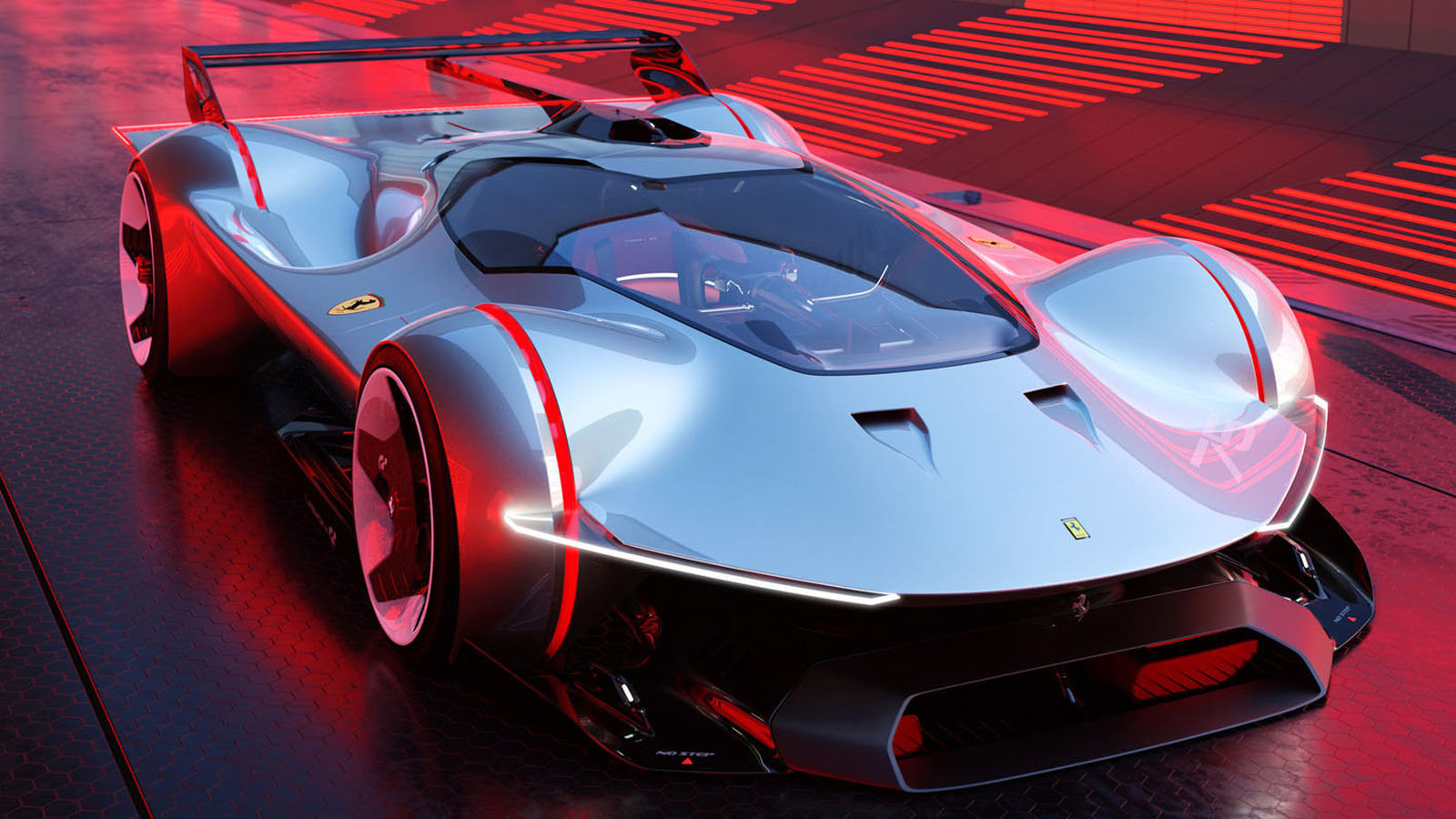
The Future of Motorcycles and Commercial Vehicles
The bike industry is experiencing a shift as manufacturers look into electric options, which are becoming progressively popular among riders. With advancements in battery technology, electric motorcycles are now capable of providing exceptional performance while offering an eco-friendly option to traditional gas-powered bikes. Major brands are investing heavily in EV development, ensuring that the future of motorcycling matches with rising demands for sustainability and efficiency.
In a similar vein, the van segment is experiencing a movement towards electric models, particularly in the field of trade transportation. MotorHype are recognizing the benefits of electric vans, not only for their reduced environmental impact but also for diminished operating costs. As infrastructure for electricity continues to expand and advance, electric vans are poised to become the core of urban delivery solutions, catering to a society that prioritizes green initiatives.
In the arena of campervans, the movement toward electrification is also gaining traction. Companies are integrating advanced technologies into camper designs, facilitating longer trips with enhanced comfort and convenience. Innovations such as solar panels and power-saving appliances are becoming common features, transforming the way people take road trips and outdoor adventures. As the automotive technology environment evolves, both motorcycles and vans will continue to modify, shaping the future of transportation for adventurous spirits and practical users alike.